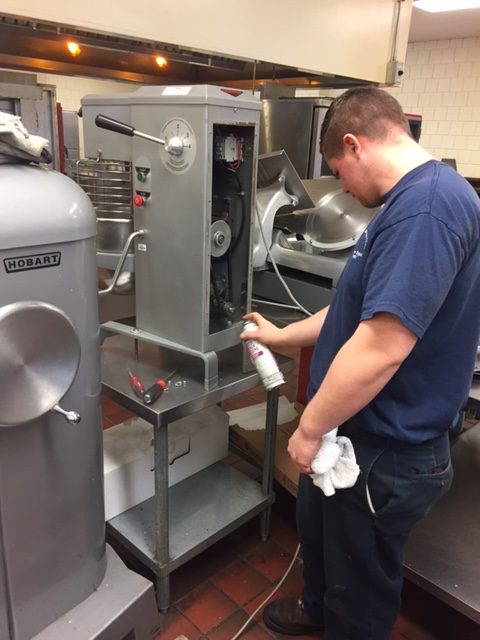

As winter winds down and the busy spring season approaches, commercial kitchens across New England begin to ramp up operations. Restaurants prepare for increased traffic, schools and institutions move toward end-of-year events, and catering businesses get ready for a busy calendar of weddings and gatherings.
But before the rush begins, there’s one important question every kitchen manager should ask:
Is your equipment ready for spring?
Seasonal changes can put additional stress on refrigeration systems and cooking equipment.. A quick inspection and maintenance checklist can help prevent unexpected breakdowns when you need your equipment the most.
Refrigeration: Your First Line of Defense
Commercial refrigeration equipment works year-round, but spring and summer bring heavier loads and warmer conditions.
Start by checking:
Door gaskets and seals
Damaged or worn door seals allow cold air to escape, forcing compressors to work harder and increasing energy costs.
Temperature consistency
Walk-ins, reach-ins, and prep units should maintain stable temperatures. Fluctuations can indicate compressor issues or airflow problems.
Evaporator coils and condenser coils
Dust and grease buildup can reduce efficiency and increase the risk of failure. Cleaning coils improves performance and extends equipment life.
Drain lines and pans
Clogged drain lines can cause water leaks or ice buildup that interferes with cooling.
Spring is also a good time to confirm your refrigeration equipment is ready for higher ambient temperatures, which can strain older systems.
Cooking Equipment: Keep the Heart of the Kitchen Running
Cooking equipment often gets the most attention during service, but internal components can wear down over time.
Before the busy season begins, check:
Burners and ignition systems
Gas burners should light quickly and burn evenly. Weak flames or delayed ignition may indicate clogged ports or failing components.
Thermostat calibration
Ovens, griddles, and fryers should heat accurately. Incorrect temperatures can impact food quality and cooking times.
Electrical connections and controls
Loose wiring, worn switches, or failing controls can cause intermittent issues that lead to downtime during service.
Grease buildup
Accumulated grease affects both performance and safety. Proper cleaning improves efficiency and reduces fire risks.
Why Planned Maintenance Matters
Planned maintenance helps kitchens avoid the two things operators fear most:
- Unexpected downtime
- Emergency repair costs
A scheduled maintenance visit allows technicians to identify small issues before they become major problems.
It also helps extend the lifespan of expensive equipment and keeps kitchens operating safely and efficiently.
Start the Season with Confidence
Spring is one of the busiest times of year for many commercial kitchens. Taking the time now to inspect and service equipment can help ensure your operation runs smoothly when business picks up.
The experienced technicians at Joe Warren & Sons provide planned maintenance, emergency service, and equipment expertise to keep commercial kitchens across New England running reliably year-round.