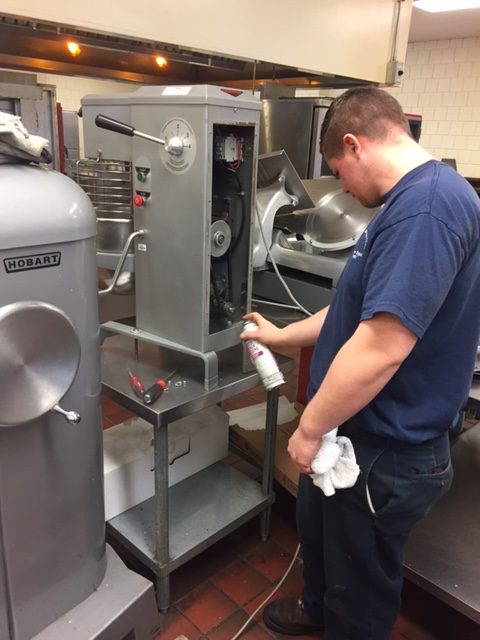

Commercial kitchen equipment is a significant investment, and like any investment, it performs best when properly maintained. Planned maintenance is one of the most effective ways to extend equipment lifespan, reduce downtime, and control long-term operating costs.
Yet many operators delay maintenance until something breaks — often at the worst possible time.
Planned Maintenance vs. Reactive Repairs
Reactive repairs address problems after equipment has failed. Planned maintenance focuses on preventing failures before they happen. The difference is not just convenience — it’s cost.
Emergency repairs are typically more expensive, disruptive, and stressful. Planned maintenance spreads costs over time and reduces the likelihood of unexpected shutdowns.
What Planned Maintenance Actually Does
Routine service visits allow technicians to inspect, clean, adjust, and test equipment under normal operating conditions. These visits identify small issues — worn belts, loose connections, dirty components — before they escalate into major failures.
For example:
- Cleaning condenser coils improves efficiency and prevents overheating
- Lubricating moving parts reduces friction and wear
- Inspecting electrical connections prevents shorts and control failures
- Verifying temperatures ensures food safety compliance
Each task adds incremental life to the equipment.
Improved Efficiency and Energy Savings
Dirty or poorly maintained equipment consumes more energy to perform the same tasks. Planned maintenance keeps systems running at peak efficiency, reducing energy usage and utility costs.
Over time, energy savings alone can offset the cost of a maintenance plan — while also extending equipment life.
Reduced Downtime and Operational Disruption
Unexpected equipment failures disrupt service, delay production, and impact customer satisfaction. Planned maintenance minimizes downtime by identifying risks early and scheduling repairs during off-hours or slower periods.
For institutions like schools, hospitals, and corporate kitchens, reliability is critical. Maintenance planning supports continuity and compliance.
Protecting Manufacturer Warranties
Many equipment manufacturers require documented maintenance to keep warranties valid. Skipping service can void coverage, leaving operators responsible for expensive repairs that could have been avoided.
Planned maintenance ensures warranty compliance and protects your investment.
Extending Equipment Lifespan
Well-maintained equipment simply lasts longer. Compressors, motors, burners, and controls all benefit from regular care. Replacing major equipment years later than expected can significantly reduce capital expenditures.
The Bottom Line
Planned maintenance isn’t an added expense — it’s a cost-control strategy. By keeping equipment clean, calibrated, and properly adjusted, operators extend lifespan, reduce downtime, and improve operational efficiency.
A proactive approach today prevents expensive problems tomorrow.