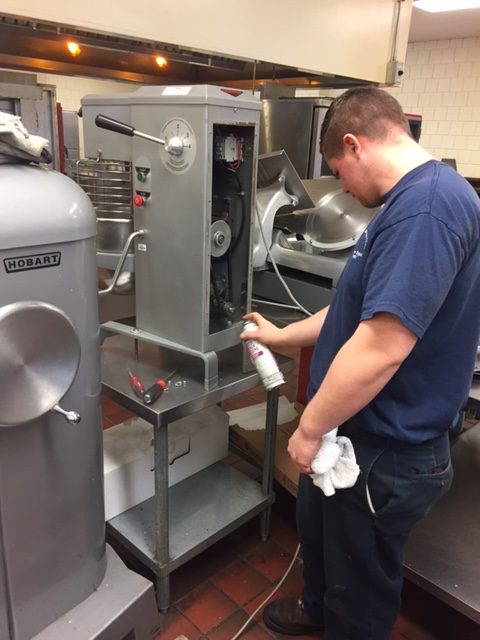

As winter transitions into spring, commercial kitchens face an important question: Is it better to repair aging equipment or replace it before peak season arrives?
Making the right decision at the right time can save money, prevent downtime, and support smooth operations during the busiest months of the year.
Why Timing Matters
Spring and summer bring increased demand for many foodservice operations. Waiting until equipment fails during peak season often leads to rushed decisions, higher costs, and limited availability of replacement units.
Evaluating equipment before spring allows operators to plan strategically instead of reacting under pressure.
Signs It’s Time to Repair
Repair may be the right option if:
- The equipment is relatively new
- Issues are isolated or infrequent
- Repair costs are low compared to replacement
- Energy efficiency remains acceptable
In these cases, professional repairs combined with planned maintenance can restore performance and extend lifespan.
Signs Replacement Makes More Sense
Replacement should be considered when:
- Repairs are becoming frequent or costly
- Energy bills are increasing
- Parts are obsolete or difficult to source
- Equipment no longer meets operational needs
- Downtime impacts service or revenue
A general rule of thumb is the 50% rule: if repair costs approach 50% of replacement value, replacement is often the smarter long-term choice.
Energy Efficiency and Operating Costs
Newer equipment typically offers improved energy efficiency, better controls, and enhanced reliability. While upfront costs may be higher, long-term savings on utilities and repairs often justify the investment.
Spring is an ideal time to upgrade before summer energy demand peaks.
Planning for Installation and Training
Replacing equipment requires coordination — delivery, installation, testing, and staff training. Planning early avoids rushed installations and ensures staff are comfortable with new systems before peak season.
The Value of Professional Assessment
Experienced technicians can evaluate equipment condition, maintenance history, and operational demands to help operators make informed decisions. Objective assessments prevent emotional or rushed choices.
The Bottom Line
Repair vs. replace decisions shouldn’t be made during emergencies. Evaluating equipment now allows businesses to control costs, minimize risk, and enter spring with confidence.
Planning ahead is always less expensive than reacting later.