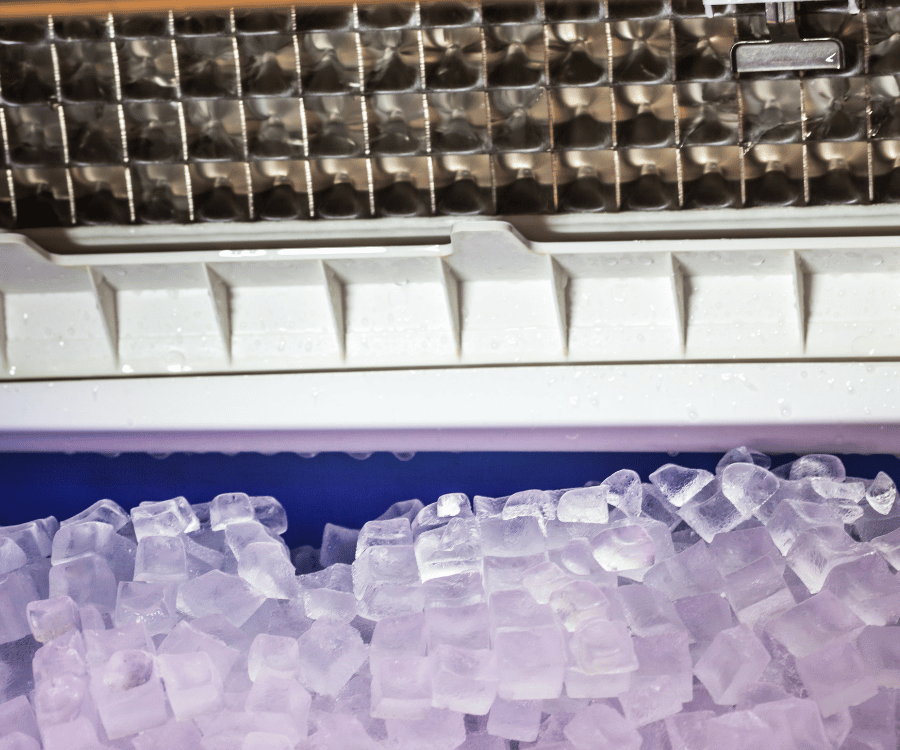
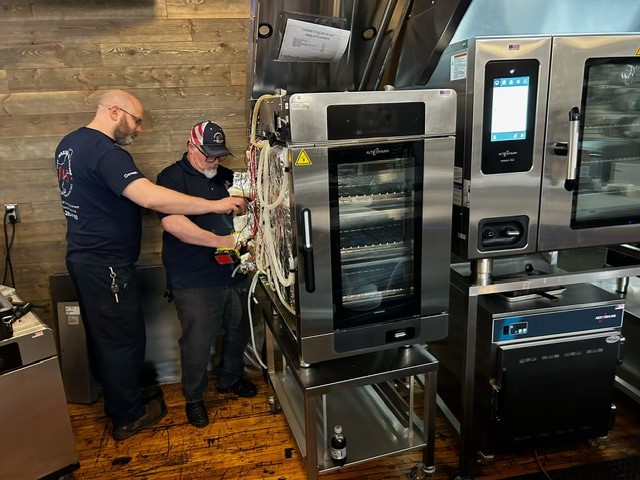
For many commercial kitchens and facilities, February feels like a lull. The holiday rush has passed, the weather is cold, and business may temporarily slow down. That “quiet” period is exactly what makes February the best time of year to schedule planned maintenance for your commercial foodservice and refrigeration equipment.
At Joe Warren & Sons, we see a clear pattern year after year: customers who invest in proactive maintenance during winter experience fewer breakdowns, longer equipment life, and significantly lower emergency repair costs during peak season.
Fewer Emergencies, More Availability
During spring and summer, service schedules fill quickly. Emergency calls spike as ice machines, walk-ins, and prep equipment are pushed to their limits. February, by contrast, allows for flexible scheduling, longer inspection windows, and deeper planned work—without the pressure of peak demand.
That means technicians can:
- Perform thorough inspections instead of rushed fixes
- Identify early warning signs before failure
- Address multiple systems in one visit
Planned maintenance works best when it isn’t rushed—and winter offers that opportunity.
Cold Weather Reveals Hidden Problems
Winter stresses equipment in ways many operators don’t expect. Temperature swings, frozen condensate lines, thickened lubricants, and heating-related electrical loads can all expose weaknesses.
February maintenance often uncovers:
- Refrigerant leaks that become critical in summer
- Electrical issues caused by condensation or corrosion
- Door gasket failures allowing cold air infiltration
- Ice machine scale buildup that worsens over time
Catching these now prevents costly downtime later—especially when food safety and uptime matter most.
Extend Equipment Life (and Delay Replacement)
Commercial equipment is expensive. Replacing a walk-in compressor or ice machine years earlier than expected can be a serious budget hit. Planned maintenance helps equipment reach—or exceed—its intended lifespan.
Key winter maintenance tasks include:
- Coil cleaning for improved heat exchange
- Motor and bearing inspections
- Belt and fan adjustments
- Calibration of thermostats and controls
These steps reduce strain on components before summer heat pushes systems to their limits.
Control Costs Before Budget Season
Many organizations finalize operating and capital budgets in late winter or early spring. February maintenance provides clear insight into equipment condition, allowing for smarter planning instead of surprise expenses.
Rather than reacting to failures, you gain:
- Predictable maintenance costs
- Better forecasting for future repairs or replacements
- Documentation that supports compliance and inspections
This proactive approach turns maintenance from an emergency expense into a planned investment.
A Strong Start to Peak Season
The worst time to discover a problem is when demand is highest. Restaurants ramping up for spring events, schools preparing for end-of-year operations, and venues planning summer programs all rely on dependable equipment.
February maintenance ensures:
- Ice machines are clean, efficient, and ready
- Walk-ins maintain consistent temperatures
- Cooking and prep equipment operate safely and efficiently
That peace of mind is worth far more than the cost of a service visit.
Bottom Line
February is not “too early” for maintenance—it’s the smartest time. By addressing issues before they escalate, you protect your equipment, your inventory, and your operation. Planned maintenance now means fewer emergencies, lower costs, and smoother operations when it matters most.