
For restaurants, supermarkets, healthcare facilities, schools, and other commercial kitchens, refrigeration is one of the largest contributors to monthly utility costs. Walk-in coolers, freezers, prep tables, reach-in refrigerators, and ice machines often run around the clock, making them essential to daily operations—but also one of the biggest consumers of electricity.
The good news is that many businesses are paying more than they need to. In many cases, rising energy costs aren’t caused by aging equipment alone. They’re the result of small issues that develop gradually over time, forcing refrigeration systems to work harder than they were designed to.
The challenge is that these problems often go unnoticed until they become expensive repairs or lead to equipment failure. That’s why routine inspections and a comprehensive planned maintenance program are so valuable. They help identify inefficiencies early, improve performance, and extend the life of your equipment before minor issues become major expenses.
Here are five of the most common reasons commercial refrigeration systems consume more energy than they should.
1. Dirty Condenser Coils
One of the most common—and preventable—causes of high energy consumption is dirty condenser coils.
Condenser coils are responsible for releasing heat removed from inside your refrigeration equipment. As dust, grease, flour, and airborne debris accumulate on the coils, they become less effective at transferring heat. The refrigeration system must then run longer and work harder to maintain the proper temperature.
In busy commercial kitchens, where grease and airborne particles are common, condenser coils can become dirty much faster than many operators realize.
During a planned maintenance visit, technicians inspect and clean condenser coils when needed, helping restore efficiency and reduce unnecessary strain on the compressor.
2. Worn Door Gaskets
The rubber gaskets around refrigerator and freezer doors play a much bigger role than many people realize.
When door seals become cracked, loose, or damaged, cold air escapes while warm, humid air enters the cabinet. The refrigeration system compensates by cycling more frequently to maintain temperature.
The result is:
- Higher electrical consumption
- Longer compressor run times
- Increased wear on refrigeration components
- More frost buildup inside freezers
Replacing a worn gasket is a relatively inexpensive repair that can deliver noticeable energy savings while helping protect food quality.
3. Poor Airflow Around Equipment
Commercial refrigeration equipment needs room to breathe.
When boxes, supplies, or equipment block condenser airflow, the system cannot efficiently release heat. Similarly, clogged air filters or obstructed evaporator fans reduce airflow inside refrigerated spaces, causing uneven temperatures and forcing longer operating cycles.
It’s easy for airflow issues to develop gradually as storage areas become more crowded throughout the year.
A planned maintenance inspection includes checking ventilation, fan operation, and airflow to ensure the equipment is operating as designed.
4. Refrigerant Issues
Commercial refrigeration systems depend on the correct refrigerant charge to operate efficiently.
Even a small refrigerant leak can reduce cooling capacity and significantly increase energy consumption. Because refrigerant loss often occurs slowly, many businesses don’t notice a problem until temperatures begin fluctuating or utility costs start climbing.
Signs of refrigerant issues may include:
- Longer cooling cycles
- Inconsistent temperatures
- Ice buildup on evaporator coils
- Excessive compressor operation
Licensed refrigeration technicians can identify leaks, verify refrigerant levels, and restore proper system performance before more serious damage occurs.
5. Deferred Maintenance
Perhaps the biggest contributor to excessive energy use isn’t a single mechanical issue—it’s delaying routine service altogether.
Commercial refrigeration systems operate every hour of every day. Components naturally wear, electrical connections loosen, moving parts require inspection, and small adjustments become necessary over time.
Without regular attention, these small issues accumulate until equipment efficiency declines and operating costs rise.
Many emergency service calls begin with problems that could have been identified months earlier during a scheduled planned maintenance visit.
Planned Maintenance Does More Than Prevent Breakdowns
Many business owners think of planned maintenance primarily as a way to avoid unexpected repairs. While that’s certainly important, the benefits extend much further.
Routine inspections help technicians identify equipment operating outside normal parameters before it affects reliability or efficiency.
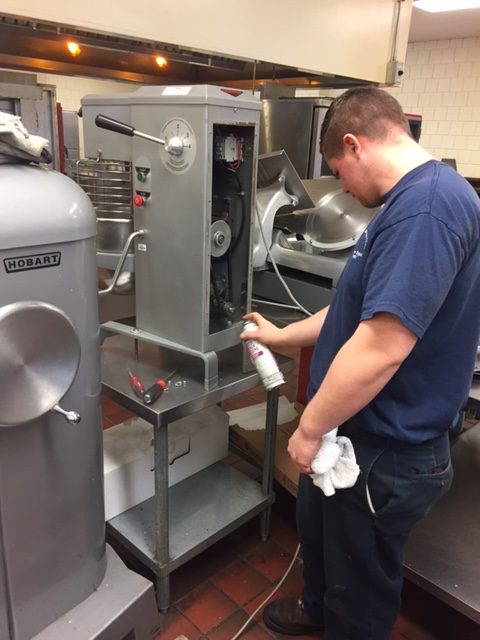
During a typical planned maintenance visit, technicians may:
- Inspect refrigeration temperatures
- Check compressor operation
- Clean condenser coils
- Examine evaporator performance
- Inspect door gaskets and hinges
- Verify refrigerant levels
- Inspect electrical components and wiring
- Test controls and safety devices
- Evaluate fan motors
- Identify developing wear before it becomes a larger repair
Each of these steps contributes to a refrigeration system that operates more efficiently, uses less energy, and delivers more reliable performance.
Lower Energy Costs Start with Healthy Equipment
While utility rates may be outside your control, equipment efficiency isn’t.
Well-maintained refrigeration systems consume less electricity, maintain more consistent temperatures, reduce stress on major components, and often last significantly longer than equipment that receives little routine attention.
For organizations operating multiple pieces of refrigeration equipment, even modest efficiency improvements can translate into meaningful savings over the course of a year.
Protect Your Investment with Joe Warren & Son
Commercial refrigeration is one of the most important investments in any foodservice operation. Keeping it operating efficiently requires more than responding when something breaks—it requires a proactive approach.
At Joe Warren & Son, our experienced technicians help restaurants, schools, healthcare facilities, supermarkets, and commercial kitchens maximize equipment performance through comprehensive planned maintenance programs. Regular inspections not only help reduce unexpected downtime but can also improve energy efficiency, extend equipment life, and provide greater peace of mind.
When your refrigeration equipment runs efficiently, your business does too. Let Joe Warren & Son help you protect your equipment, control operating costs, and keep your kitchen performing at its best year-round.