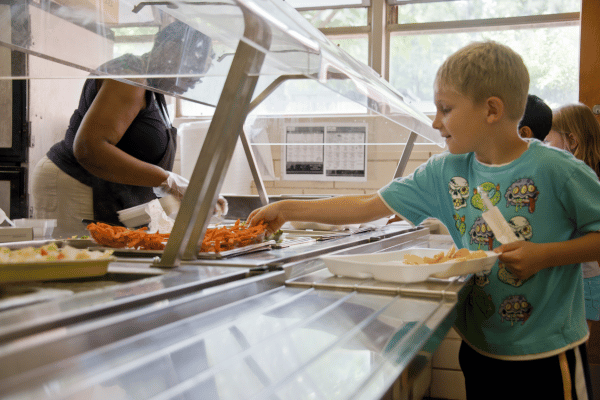
As summer winds down, schools across New England begin preparing for one of the busiest times of the year: welcoming students back to campus. While teachers organize classrooms and administrators finalize schedules, another critical area deserves equal attention—the school cafeteria.
For many districts, foodservice operations go from quiet to serving hundreds or even thousands of meals each day almost overnight. Refrigeration systems, ovens, steam tables, dish machines, and food preparation equipment that may have seen limited use during the summer suddenly become essential from breakfast through lunch every school day.
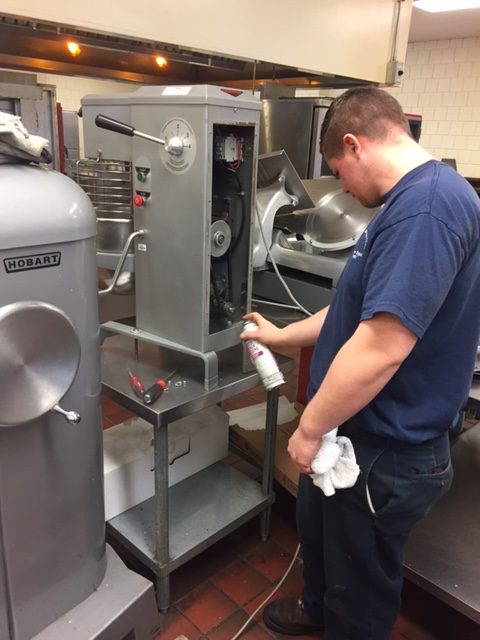
The weeks leading up to the first day of school offer an ideal opportunity to inspect equipment, address maintenance concerns, and ensure everything is ready to operate safely and reliably. Waiting until students arrive to discover equipment problems can lead to costly disruptions, delayed meal service, and unnecessary stress for cafeteria staff.
A proactive approach through planned maintenance helps schools begin the year with confidence.
Start with Refrigeration Equipment
Commercial refrigeration is the backbone of every school kitchen.
Walk-in coolers, freezers, milk coolers, reach-in refrigerators, and prep tables protect thousands of dollars’ worth of food inventory while ensuring compliance with food safety regulations.
Before students return, refrigeration equipment should be carefully inspected for:
- Proper operating temperatures
- Clean condenser coils
- Door gasket condition
- Fan operation
- Refrigerant performance
- Drain line function
- Interior airflow
- Compressor operation
Even something as simple as a damaged door gasket can force refrigeration systems to work harder, increase energy consumption, and make it difficult to maintain safe food temperatures.
Identifying these issues before school begins helps avoid emergency service calls during the busiest weeks of the year.
Don’t Overlook Steam Tables
Steam tables often spend weeks or even months sitting idle during summer break.
Before the first meal is served, each unit should be tested to verify:
- Heating elements are functioning properly
- Water wells heat evenly
- Thermostats are operating accurately
- Controls respond correctly
- Electrical connections remain secure
Maintaining proper hot holding temperatures isn’t just about food quality—it plays an important role in food safety.
A planned maintenance inspection helps ensure steam tables are ready to keep meals at safe serving temperatures from the first day of school.
Verify Cooking Equipment Performance
School kitchens rely on a wide variety of cooking equipment every day.
Depending on the facility, that may include:
- Convection ovens
- Combination ovens
- Griddles
- Tilting skillets
- Steamers
- Fryers
- Ranges
These appliances should be tested well before students return.
Technicians inspect burners, heating elements, ignition systems, thermostats, temperature calibration, safety controls, and electrical or gas connections to ensure equipment is performing as designed.
Cooking equipment that heats unevenly or struggles to reach temperature can slow meal production and affect food quality throughout the day.
Dish Machines Deserve Special Attention
A malfunctioning dish machine can quickly disrupt an entire cafeteria operation.
Before school begins, dish machines should be inspected for:
- Wash temperatures
- Final rinse temperatures
- Water pressure
- Chemical dispensing
- Spray arm performance
- Pump operation
- Heating elements
- Drain systems
- Filters
Verifying these systems in advance helps support sanitation requirements while reducing the likelihood of unexpected downtime during meal service.
Inspect Serving Lines and Holding Equipment
Serving equipment often receives less attention than cooking appliances, but it is just as important.
Hot holding cabinets, refrigerated serving units, display merchandisers, and food wells should all be tested before students arrive.
Ensuring these systems maintain consistent temperatures protects food quality while allowing cafeteria staff to serve meals efficiently during busy lunch periods.
Small Repairs Can Prevent Big Interruptions
One of the greatest benefits of planned maintenance is identifying small issues before they become larger problems.
Examples include:
- Loose door hinges
- Worn refrigerator gaskets
- Minor refrigerant leaks
- Dirty condenser coils
- Faulty switches
- Loose electrical connections
- Water leaks
- Calibration adjustments
Many of these repairs are relatively inexpensive when addressed early.
Left unchecked, however, they can lead to equipment failures that disrupt meal service and require emergency repairs during the school year.
Improve Energy Efficiency Before the School Year Begins
School districts are constantly balancing operational needs with tight budgets.
Properly maintained equipment often consumes less energy than systems operating with dirty coils, worn components, or inefficient airflow.
Routine inspections help refrigeration systems cool more efficiently, cooking equipment heat more consistently, and dish machines operate as intended.
Those efficiency improvements can contribute to lower utility costs throughout the school year while extending the life of expensive kitchen equipment.
Give Cafeteria Staff Peace of Mind
The first weeks of school are busy enough without worrying whether equipment will function properly.
When cafeteria managers know their equipment has been professionally inspected, tested, and serviced, they can focus on preparing meals and serving students instead of reacting to unexpected breakdowns.
That confidence benefits not only cafeteria employees but also administrators, teachers, and families who depend on reliable meal service every school day.
A Strong School Year Starts with Reliable Equipment
Preparing a school cafeteria isn’t simply about stocking food and creating menus. It’s about ensuring every piece of equipment is ready to perform when students walk through the doors.
A comprehensive planned maintenance program helps schools reduce unexpected downtime, improve equipment reliability, support food safety, and extend the life of valuable kitchen assets. Most importantly, it allows foodservice teams to begin the year focused on serving students instead of managing equipment emergencies.
Partner with Joe Warren & Son Before the School Year Begins
For decades, Joe Warren & Son has helped schools throughout New England keep their commercial kitchens operating safely and efficiently. Our experienced technicians understand the unique demands of school foodservice operations and provide comprehensive planned maintenance programs tailored to the equipment that keeps cafeterias running every day.
From refrigeration and cooking equipment to steam tables and dish machines, we’re here to help your kitchen start the school year prepared for success. By scheduling planned maintenance before students return, your cafeteria can begin the year with confidence, knowing your equipment is ready to support another successful school year.